culture
Local organizers reshape Akron's identity through Northside revival
From the revitalized blocks of the Northside District to the historic stages of the Civic Theatre, local organizers are reshaping the city's identity.
How we reported this
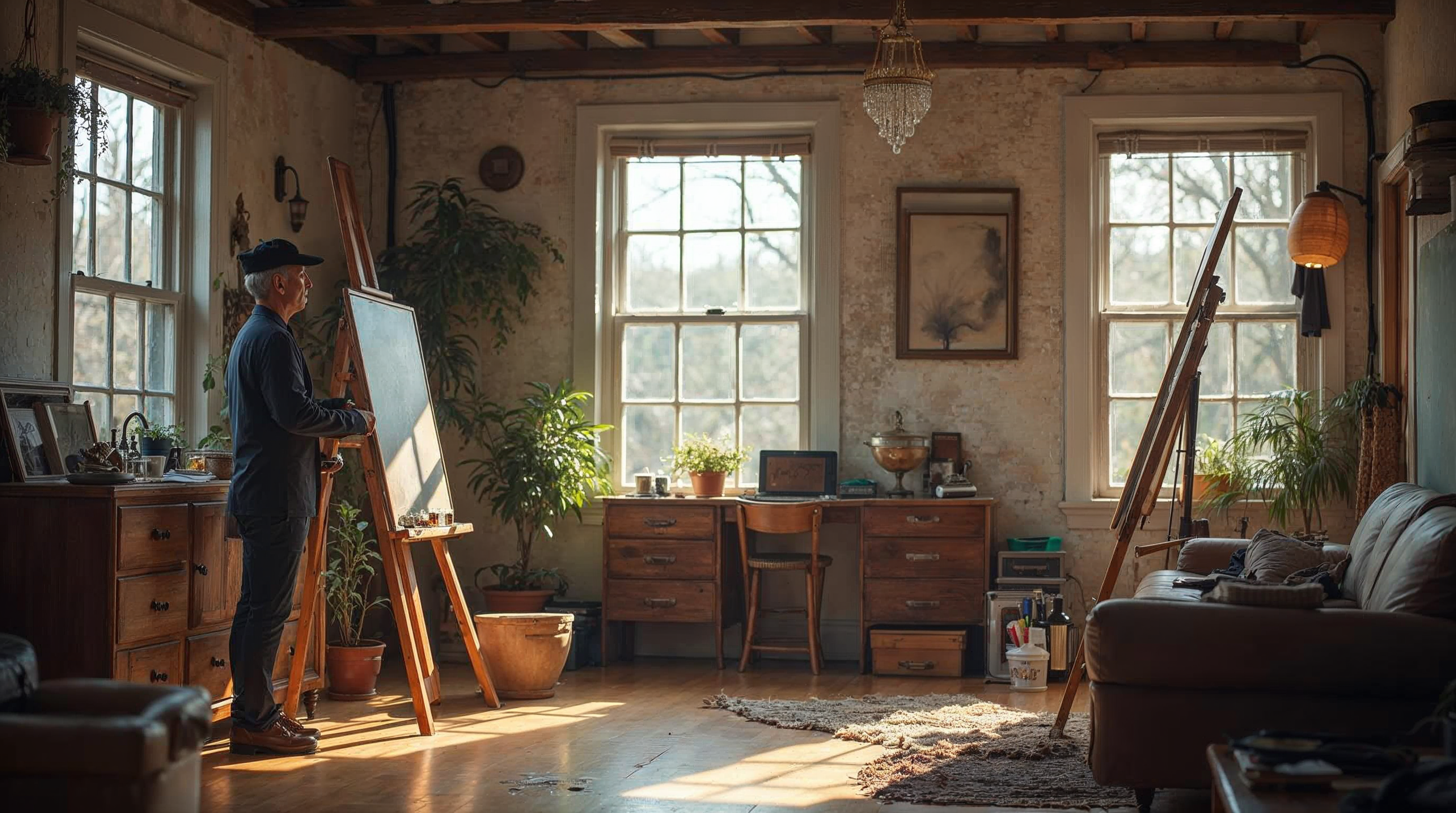
Akron’s summer cultural calendar is hitting a peak this week, marked by a surge in programming that bridges the gap between the city’s industrial history and its modern creative output. Local organizers are pushing for a more interconnected festival circuit, shifting the focus toward neighborhood-led initiatives that prioritize local musicians and independent artisans.
The blueprints of a neighborhood transformation
The current momentum in the Northside District represents a departure from the centralized event planning of previous decades. Leaders at the Akron Art Museum and the curators associated with the Summit Artspace have actively sought to decentralize the festival footprint, moving major installations into public squares like Lock 3. This strategy is rooted in the idea that public space should serve as a functional gallery for local makers, a shift in philosophy that has gained traction among city planners since late last year.
For those familiar with the South Main Street corridor, the changes are evident in the recent landscape of pop-up markets and outdoor performances. The programming at the Akron Civic Theatre, which serves as an anchor for the downtown area, has increasingly mirrored this grassroots movement by opening its doors to community-based festivals that were previously confined to smaller, private venues. The objective remains clear: creating an ecosystem where local performers can reach broader audiences without losing the authenticity of their neighborhood roots.
Economic impact and the road ahead
Data provided by the Akron/Summit Convention & Visitors Bureau indicates a steady climb in attendance figures for downtown cultural events over the last two fiscal quarters. While the city has historically relied on a few marquee events to define its tourist profile, the recent diversification of the calendar-supported by the Knight Foundation’s ongoing local investments-has broadened the base of participants. The average registration cost for community-led workshops across these venues currently sits at accessible tiers, encouraging participation from a wider demographic of city residents.
Looking toward the remainder of the summer, the focus will shift to the maintenance of these public spaces and the transition into autumn programming. Organizers advise that those seeking to participate in upcoming gallery walks and open-air performances should consult the updated municipal event portal, as site availability is subject to change based on weather and ongoing urban construction projects near the Ohio & Erie Canal Towpath Trail.